Lewisham Council rules for Brockley pavement flower stalls
Posted on 27/10/2026
If you are planning a pavement flower stall in Brockley, you are probably trying to balance three things at once: looking good, staying legal, and not creating a headache for the people walking past. The Lewisham Council rules for Brockley pavement flower stalls are there to keep that balance in place. In plain English, they help make sure a stall fits safely on the street, does not block footfall, and plays fair with neighbours, pedestrians, and nearby businesses.
That sounds simple enough, but in real life it can get messy quickly. One morning you have buckets of roses, a narrow pavement, a passing pram, and a cyclist trying to squeeze through. Suddenly the details matter. This guide walks through how the rules usually work, what to check before setting up, the risks of getting it wrong, and the practical steps that make the whole thing smoother. If you are a florist, a market-style trader, or a local business owner thinking about a pavement display, you are in the right place.
To be fair, most people do not wake up excited about pavement permissions. But if flowers are part of your living, a small bit of upfront care can save a big mess later.
- Why the rules matter
- How the process and day-to-day setup works
- Key benefits and practical advantages
- Who needs this guidance
- Step-by-step guidance
- Expert tips for better results
- Common mistakes to avoid
- Tools, resources and recommendations
- Law, compliance and best practice
- Options and comparison
- Real-world example
- Practical checklist
- Conclusion
- Frequently asked questions
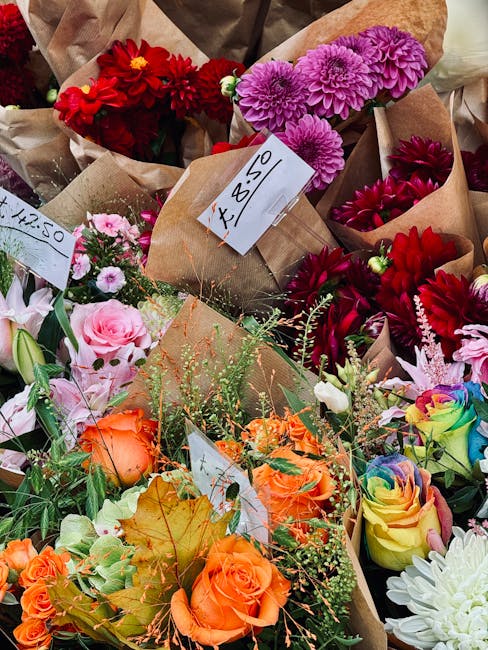
Why Lewisham Council rules for Brockley pavement flower stalls Matters
At street level, a flower stall looks harmless. It is bright, seasonal, and usually a nice thing to see on a corner. But pavements are shared space, and shared space needs rules. In Brockley, that matters because the pavement outside a shop or on a parade can be busy, narrow, and awkward at peak times. Parents with buggies, older residents, wheelchair users, delivery drivers, and school-run traffic all pass through the same stretch of footway.
The Lewisham Council rules for Brockley pavement flower stalls are important because they help reduce conflict. They are not only about permission; they are about avoiding obstruction, keeping a safe walking route, and making sure the stall does not cause nuisance. If you are setting out buckets, stands, or a small display board, even a few extra inches can make a difference.
There is also the business side. A tidy, compliant stall tends to look more professional. Customers notice that. They may not say, "Ah yes, this trader has carefully considered pavement access," but they will feel it. The stall will look calmer, easier to browse, and more trustworthy. A cluttered set-up does the opposite. Let's face it, nobody enjoys side-stepping a wobbling flower stand while trying not to drop their coffee.
Just as importantly, getting the rules right protects you from avoidable disputes. Nearby shopkeepers may object if your flowers block their frontage. Residents may complain if deliveries, watering, or waste create mess. And if the council or another enforcement body gets involved, a minor issue can become a more expensive one very quickly.
Expert summary: If your pavement flower stall is visible, the compliance risk is visible too. The safest approach is to treat access, safety, and cleanliness as part of the retail design, not as an afterthought.
How Lewisham Council rules for Brockley pavement flower stalls Works
The exact permissions and conditions can vary depending on the location, the pavement width, the street layout, and the nature of the stall. In practice, the process usually revolves around a few core questions: can the stall sit there without blocking pedestrians, does it affect public safety, and is the use of the pavement properly authorised?
For most traders, the first thing to understand is that the pavement is not an extension of your shop. You cannot simply place stock outside and assume that is fine. If the display is on public highway land, you usually need to be sure you are permitted to use that space and that the layout remains safe and unobstructed. In a place like Brockley, where footways can be tight and streets can feel busy even on a quiet afternoon, that detail matters.
There are usually practical limits involved. These may relate to:
- minimum clear walking space for pedestrians
- distance from kerbs, crossings, junctions, and entrances
- how far stock can project onto the pavement
- stability of stands, buckets, and signage
- visibility for road users and people crossing
- noise, clutter, waste, and water run-off
You should also think about the trading pattern. A stall that works for a few hours on a Saturday may not be suitable every day, especially if foot traffic changes through the week. Early mornings can be calm; by lunchtime the same pavement can feel much tighter. This is where common sense and local awareness are worth their weight in tulips.
If your flowers are part of a wider business, such as a shop frontage or a florist counter, the rules may also touch on how the display relates to your business hours, customer queuing, and any property boundary. A stall that looks neat from the shop doorway may still create an issue if it spreads too far into the pedestrian route.
To keep things practical, think of the setup in three layers: permission, placement, and maintenance. Permission answers whether you may trade there. Placement covers where and how the stall sits. Maintenance covers how you keep it safe and tidy throughout the day. That last part gets missed more often than it should.
Key Benefits and Practical Advantages
When the rules are followed properly, a pavement flower stall can do more than just sell bouquets. It can strengthen the visibility of your business, bring footfall to the door, and make the street feel more welcoming. Brockley has a local, lived-in feel, and flowers fit that mood well when they are presented neatly and respectfully.
Here are the main practical benefits:
- Better customer flow: a sensible layout makes browsing easier and reduces bottlenecks.
- Lower risk of complaints: clear access and tidy presentation tend to reduce friction with neighbours.
- Stronger brand impression: a compliant stall looks organised, not improvised.
- Fewer enforcement problems: good practice lowers the chance of being told to move stock or stop trading.
- More reliable trading: once your setup is established, you can spend less time worrying and more time selling.
There is a softer benefit too. A good flower display changes the feel of a street. The mix of colour, scent, and movement can make a block feel friendlier on a grey morning. You notice it on the walk to the station or when passing a row of shops on a drizzly Tuesday. Small thing, maybe. But real.
Another advantage is predictability. If you build your stall around what is allowed and what is not, you are less likely to be forced into rushed changes. That can save money on stands, signage, packaging, and wasted stock. Nobody wants to rework a display at 8:15 a.m. with buckets half full and customers already coming in.
Who This Is For and When It Makes Sense
This guidance is useful for a few different people. The obvious one is a florist wanting to put flowers outside a shop in Brockley. But it also applies to cafe owners who add a small bloom display, local retailers who want a seasonal pavement arrangement, market traders who are testing a roadside setup, and businesses considering a temporary flower feature for a holiday or event.
You may need to think about these rules if you are:
- opening a new florist or gift shop in Brockley
- adding a permanent or semi-permanent outdoor display
- trading on a narrow pavement with heavy footfall
- using signs, planters, or stands alongside the flowers
- running a seasonal promotion near the pavement edge
- testing whether a street-facing display improves walk-in sales
It makes sense to review the rules before spending money on equipment. A display that looks great in your head may not work once you measure the pavement. And yes, measuring properly can feel a bit dull. Still, it beats finding out after the fact that your best wooden stand is technically one stand too many.
It also makes sense if you are already trading and want to improve the setup. Sometimes a small change, such as moving stock closer to the frontage or reducing the number of buckets, makes the whole stall safer and calmer. Little adjustments matter.
Step-by-Step Guidance
If you want a practical way to handle Lewisham Council rules for Brockley pavement flower stalls, start with the street, not the flowers. Beautiful stock comes later. First, work out whether the pavement can safely support what you want to do.
- Measure the usable pavement space. Check the full width, any pinch points, door swings, poles, signs, tree pits, bins, and kerbside obstructions.
- Map the walking line. Imagine two people passing, or someone with a buggy or wheelchair. Would they still move comfortably without stepping into the road?
- Check whether your display is temporary or ongoing. A one-off seasonal display may be treated differently from a regular stall, but do not assume that means it is exempt.
- Review the condition of the ground. Slopes, uneven slabs, slick spots after rain, and loose paving all affect stability.
- Choose low-risk fixtures. Wide bases, secure buckets, weighted stands, and tidy signage are usually safer than tall, top-heavy displays.
- Plan for customer movement. Make sure people can stop, look, and step away without blocking others.
- Prepare a tidy maintenance routine. Water, fallen petals, broken stems, and packaging should be cleared promptly.
- Keep documents and permissions handy. If permission or proof of arrangement is needed, have it ready. Saves time later.
Think of this as a setup checklist rather than a legal puzzle. Once the practical parts are in order, the rest becomes much easier to manage. And if something feels tight, it probably is tight. The pavement rarely lies.
Expert Tips for Better Results
A good pavement stall is not just legal; it is calm, readable, and easy to navigate. The best ones feel almost effortless from the outside, though behind the scenes there is often plenty going on. Here are a few tips that tend to make a real difference.
- Keep the display shallow. A narrow footprint often works better than a deep one, especially on busier pavements.
- Use visual order. Group similar colours or flower types together so the stall looks deliberate rather than scattered.
- Prioritise stable containers. Heavy pots, secure buckets, and anti-tip stands can reduce wobble in wind or passing foot traffic.
- Leave a clean edge. Customers should be able to tell where the stall ends and the walking route begins.
- Think about the weather. Rain, wind, and direct sun affect both safety and presentation. A tidy stall at 9 a.m. can look tired by 2 p.m. if nobody resets it.
- Keep water under control. Wet pavement can be a slip risk, so use sensible watering methods and wipe up spills quickly.
One small real-world trick: stand across the street and look back at your display. If it feels visually heavy, crowded, or jagged from a distance, pedestrians will probably feel that too. It is a quick check and oddly useful. Also, if your own stall starts to resemble a loose bouquet of buckets and regrets, that is a sign to simplify.
Another useful habit is to review the setup at different times of day. Morning light, lunchtime footfall, and late-afternoon delivery activity can change how the pavement behaves. What worked at 8:30 may not feel so neat by 5:00.
Common Mistakes to Avoid
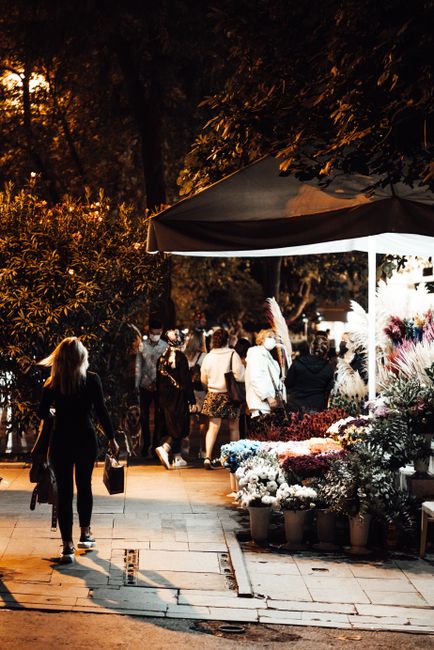
The biggest mistakes with pavement flower stalls are usually very ordinary ones. Nothing dramatic. Just small oversights that add up. The good news is that most of them are avoidable once you know what to watch for.
- Blocking the natural walking route. This is the classic issue, and it causes complaints fast.
- Using too much stock. More flowers are lovely, but too many buckets can make the stall feel cramped and unsafe.
- Ignoring weather conditions. Wind can topple lightweight displays; rain can make everything slippy and messy.
- Forgetting waste management. Fallen leaves, cut stems, wrapping, and water containers all need a home.
- Placing signage badly. A sign that helps sales can still create an obstruction if it is too wide or too low.
- Assuming yesterday's arrangement is still fine today. Pedestrian flow changes. So should your setup, if needed.
A subtle one that people miss: the stall might technically fit, but it may still feel tight if the display is visually busy. Too many mixed heights, clashing containers, or loose add-ons can make a small space feel smaller. Not illegal by itself, maybe, but not a smart look either.
Another common slip is forgetting the customer experience. If people cannot step in to browse without bumping others, they will often just keep walking. That is a quiet sales killer.
Tools, Resources and Recommendations
You do not need expensive equipment to set up a sensible flower stall, but a few practical tools can make compliance much easier. Think durable rather than flashy. In most cases, the best tools are the ones that help you stay tidy, safe, and adaptable.
| Tool or item | Why it helps | Practical note |
|---|---|---|
| Measuring tape | Checks real pavement width and stall footprint | Use it before buying stands or signage |
| Weighted display bases | Helps prevent tipping in wind or passing traffic | Useful on exposed corners |
| Water containers with lids | Reduces spills and mess | Helps keep the pavement safer |
| Branded signage | Improves clarity and customer trust | Keep it compact and readable |
| Cleaning cloths and a small bin | Makes tidy-up quick and regular | Crucial on busy or rainy days |
On the business side, it can help to keep your general trading information in one place. If you are also selling flowers for delivery rather than only from a pavement stall, pages like flower delivery in Brockley and your local Brockley florist page can support a wider customer journey while your street presence builds awareness.
For product presentation, it may also help to keep a few core ranges visible and manageable. If your stall is more about browsing than custom orders, a compact set of best sellers or florist choice arrangements can be easier to maintain than a huge rotating spread.
If you need stronger trust signals for customers, pages such as about us, guarantees, and delivery information can reassure people that the business is organised beyond the pavement itself.
Law, Compliance, Standards, or Best Practice
For this topic, the safest way to think about compliance is simple: you need to avoid obstruction, prevent danger, and respect any required permissions. Public pavement use is not something to improvise. Local rules, highway considerations, and trading conditions can all apply, and they may differ depending on the exact spot in Brockley.
In everyday terms, the main best-practice expectations usually include:
- maintaining a clear pedestrian path
- keeping the stall stable and weather-resistant
- avoiding hazards from water, sharp edges, or trip points
- not creating a nuisance for neighbours or nearby businesses
- keeping the frontage tidy throughout trading hours
If your display is attached to a shopfront, leased frontage, or shared parade, the property arrangement matters too. Some premises have tighter rules than others, and consent from one party does not always solve the wider highway issue. A common sense check with all relevant parties is worth doing before you commit.
It is also wise to keep an eye on accessibility. A stall that technically fits but makes life awkward for wheelchair users, people with mobility aids, or parents with pushchairs is not good best practice. Accessibility is not a nice extra. It is part of the setup.
For broader website and customer trust matters, policies such as terms and conditions, returns and refund information, and privacy policy can support the professionalism of the business as a whole. They are not pavement permissions, of course, but they do show that the operation is properly run.
Options, Methods, or Comparison Table
There is more than one way to present flowers near the pavement, and each approach has trade-offs. The right choice depends on footfall, frontage width, staffing, and how much flexibility you want day to day.
| Method | Best for | Pros | Watch-outs |
|---|---|---|---|
| Small front-of-shop display | Limited pavement space | Easy to manage, low clutter, neat appearance | Can be overlooked if too small |
| Medium pavement stall | Busy retail frontage with some width | Good visibility and browsing appeal | Needs more careful layout and monitoring |
| Seasonal pop-up arrangement | Events or short-term promotion | Flexible and eye-catching | Must still be safe and compliant |
| Shop interior display only | Very narrow pavements or sensitive locations | Least public-space risk | Less street visibility |
In many cases, the smallest version is the smartest starting point. You can always add more if the layout works. It is much harder to start too big and then trim back without wasting time, stock, and money. People often underestimate that. Then, a week later, they are rearranging buckets before opening time and looking a bit haunted.
Case Study or Real-World Example
Imagine a Brockley florist with a compact frontage on a busy local parade. The owner wants a pavement flower stall to catch passers-by on the way to the station and attract weekend buyers. At first, the instinct is to display as many colours as possible: roses in one corner, mixed seasonal bunches in another, a chalkboard sign, a few wrapped bouquets on a tall stand, and extra buckets near the door.
On paper, it sounds vibrant. In practice, the pavement feels crowded. Customers have to shuffle around the display, and one side narrows near the entrance. A parent with a buggy has to pause. A delivery driver leaves a box just outside the stall. Suddenly the whole frontage feels tight and a little clumsy.
The owner then simplifies the layout. The stall becomes a low, tidy front display with two stable bucket groups, a compact sign, and one clear browsing point. The walking line is easier to read. Flowers are grouped by colour, and the biggest blooms are kept at the back so the front edge stays open. The change is not dramatic in a flashy sense, but it works better. People can see the stock, move easily, and buy without feeling crowded.
That is the kind of change that often matters most. Not a miracle. Just a better fit for the street. And honestly, the better fit is usually the more profitable one too.
Practical Checklist
Use this checklist before you set up or refresh a pavement flower stall in Brockley.
- Measure the available pavement width carefully.
- Check for pinch points, kerbs, poles, doors, and nearby obstacles.
- Confirm whether the display needs specific permission or agreement.
- Keep a clear route for pedestrians, pushchairs, and wheelchairs.
- Choose sturdy, weather-safe stands and containers.
- Make sure water cannot spill onto the walking surface.
- Keep signage compact, clear, and securely placed.
- Remove damaged flowers, waste, and packaging throughout the day.
- Review the setup after busy periods and adjust if needed.
- Have a simple plan for rain, wind, and end-of-day pack down.
Quick takeaway: if the stall makes people slow down to admire the flowers, that is good. If it makes them slow down because they cannot get past, that is not so good.
Get a free quote today and see how much you can save.
Conclusion
The best way to approach Lewisham Council rules for Brockley pavement flower stalls is to treat the pavement as shared space first and retail space second. That simple shift in mindset helps everything else fall into place. You protect pedestrians, reduce complaints, and make the stall look more professional at the same time.
If you are still deciding how ambitious your display should be, start modestly. Measure, simplify, and build from there. A clean, well-managed flower stall usually does more for a business than a crowded one ever could. And once it is working, you will feel the difference immediately. Less stress, better flow, and a display that genuinely invites people in.
Truth be told, that is the sweet spot: legal, tidy, and attractive without trying too hard. Flowers do a lot of the heavy lifting. Your job is just to let them breathe a little.

Frequently Asked Questions
Do I need permission to put flower stalls on the pavement in Brockley?
Usually, yes, you should not assume you can place a stall on public pavement without checking the relevant rules and permissions. The exact position, size, and setup all matter.
What is the biggest risk with a pavement flower stall?
The biggest risk is usually obstruction. If pedestrians cannot pass comfortably, the stall can become a safety issue and a source of complaints.
Can I just put a few buckets outside my shop?
Not safely as a rule of thumb. Even a few buckets can create a problem if they narrow the walking route or sit in the wrong place.
How wide should the clear walkway be?
That depends on the location and local expectations, so it is best not to guess. The practical aim is always enough room for people to pass easily, including those with buggies or mobility aids.
Do seasonal flower displays count the same as permanent stalls?
They can still raise the same access and safety issues, even if they are temporary. Short-term does not automatically mean low-risk.
What kind of display works best on a narrow Brockley pavement?
A shallow, tidy display with sturdy containers usually works better than a deep or decorative setup that spreads too far outward.
Can I use signs, boards, or chalkboards with my stall?
Yes, but they should be compact, stable, and placed so they do not create an extra obstruction. A helpful sign is good; a wandering sign is less good.
How do I stop flowers and water from making the pavement messy?
Use secure containers, manage watering carefully, and keep cleaning materials close by. Spills and fallen petals should be cleared quickly, especially after busy periods or rain.
What if a neighbour complains about my flower stall?
Take it seriously and review the layout calmly. Often the issue is about width, clutter, or access, and a small adjustment can solve it.
Is a pavement flower stall better than selling only from inside the shop?
It can be, if the pavement is wide enough and the setup is compliant. Outdoor displays increase visibility, but they also add responsibility.
Do I need different arrangements for different times of day?
Sometimes, yes. Busy commuter hours, school-run times, and quieter afternoon periods can all affect how much space you really have.
What should I do before buying equipment for the stall?
Measure the space first, then choose equipment that fits the layout. It sounds obvious, but it saves a lot of wasted money and awkward reshuffling later.